
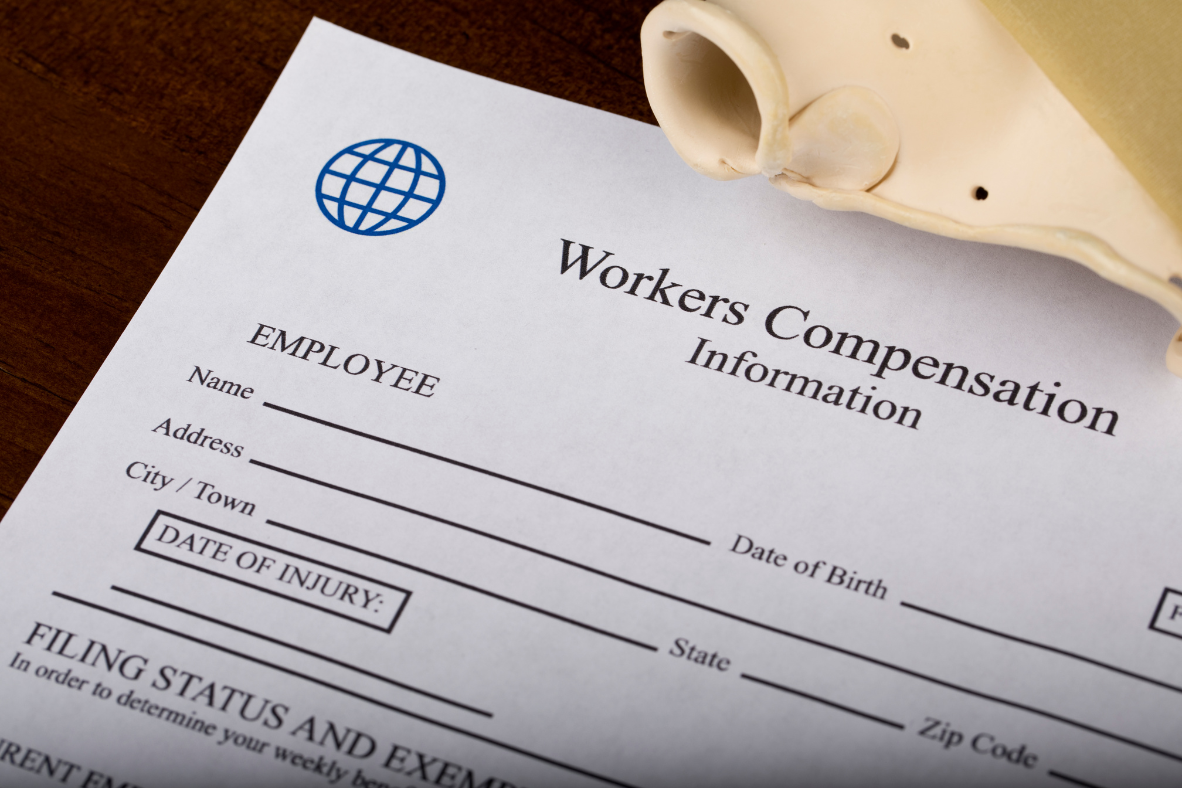
If you got hurt at work in Queens, you may wonder if you can sue your boss. The short answer is no. Workers’ comp is usually your only option against your employer. But there are major exceptions. You can sue third parties like property owners and contractors. Construction workers can file Labor Law claims for pain and suffering. And if your employer has no insurance or hurts you on purpose, you can sue them directly.
AtK L Sanchez Law Office, Queens personal injury lawyer Keetick L. Sanchez helps injured workers in Jackson Heights and throughout New York. Our workers’ compensation attorneys in Queens fight to get you full benefits. We also pursue third-party lawsuits and Labor Law claims when the law allows greater damages.
This guide explains when you’re limited to workers’ comp, when you can sue, and how to get the most compensation for your injuries. Contact K L Sanchez Law Office today at (646) 701-7990 to schedule a consultation and protect your rights.
Can You Sue Your Employer in New York?
No, you usually cannot sue your employer in New York. Workers’ compensation is the only remedy for most workplace injuries. This rule comes fromSection 29(6) of the Workers’ Compensation Law, which requires you to file a workers’ comp claim instead of a lawsuit.
What Is Workers’ Compensation?
Workers’ comp is insurance that pays for medical care and lost wages after a work injury. Nearly all Queens employers must carry this coverage. The system is no-fault, which means you do not need to prove your employer was careless. You only need to show the injury happened at work.
In exchange for these guaranteed benefits, you give up the right to sue your employer.
What Benefits Does Workers’ Compensation Provide?
Workers’ comp pays for several types of benefits, including medical care, wage replacement, and disability payments.
Medical Care: All treatment for your work injury is covered, and you pay nothing out of pocket. This includes doctor visits, surgery, hospital stays, physical therapy, medications, and medical equipment.
Queens has two Level I trauma centers for serious workplace injuries. Jamaica Hospital Medical Center is at 8900 Van Wyck Expressway, and Elmhurst Hospital Center is at 79-01 Broadway in Elmhurst. These hospitals treat thousands of seriously injured patients every year, including victims of falls, machinery accidents, and crashes.
Wage Replacement: If you miss more than seven days, you get cash benefits equal to two-thirds of your average weekly wage, up to a legal maximum. For injuries between July 1, 2025 and June 30, 2026, the maximum weekly benefit is $1,222.42, according to theNYS Workers’ Compensation Board.
Disability Benefits: Your payment depends on your disability type. Temporary total disability pays the full rate while you heal. Permanent partial disability pays based on lasting damage, with the amount varying by body part and severity.
Death Benefits: If a worker dies from a job injury, family members receive weekly payments and funeral costs.
Key Takeaway: Workers’ comp covers 100% of medical costs and about two-thirds of lost wages. It does not cover pain and suffering.
What Is the Exclusive Remedy Rule?
The exclusive remedy rule means workers’ comp is your only option against your employer. You cannot sue them, even if they were careless. This rule also applies to coworker injuries.If a coworker hurts you at work, you cannot sue them and must file a workers’ comp claim instead.
The trade-off is straightforward. Workers get guaranteed benefits without proving fault, and employers get protection from lawsuits.
When Can You Sue Your Employer?
You can sue your employer in only three situations.
1. No insurance. If your employer has no workers’ comp coverage, you can sue them directly.Section 11 allows this, and the employer loses lawsuit protection.
2. Intentional harm. If your employer hurt you on purpose, you can sue. This includes assault or battery.
3. Exempt employer. Some employers may skip coverage, but this applies to business owners without employees, like sole proprietors or one-person corporations. It does NOT apply to workers. Construction workers ARE covered and have strong protections under NY law.
Queens Workers’ Compensation Attorney

What Are the Deadlines for Filing?
Missing deadlines can cost you your benefits. New York has strict time limits that you must follow.
30 days to report. Tell your employer about your injury within 30 days. Put it in writing if possible.
2 years to file. You have two years to file a claim with theWorkers’ Compensation Board. The clock starts from your injury date. For occupational diseases, you have two years from when you learned it was work-related.
Special rules for hearing loss. For occupational hearing loss, you generally must be away from the harmful noise for about three months before your hearing can be accurately tested. You then have two years to file a claim, and the law allows an additional 90-day grace period after you first realize your hearing loss is work-related if that awareness comes later. Report it and file as soon as you suspect the hearing loss is job-related.
Queens workers file through the Queens District Office at 168-46 91st Avenue, 3rd Floor, Jamaica, NY 11432. Injured workers can request in-person hearings directly from a Workers’ Compensation Law Judge during a scheduled virtual hearing, or make appointments for in-person support services.
Key Takeaway: Report injuries within 30 days. File your claim within 2 years. Missing deadlines can bar you from benefits forever.
What Is a Grave Injury?
A grave injury is a specific type of severe harm listed inSection 11. Courts read this list very strictly; partial loss does not count, and only total, permanent loss qualifies.
Grave injuries include:
- Death
- Loss of arm, leg, hand, or foot
- Loss of multiple fingers or toes
- Paralysis (paraplegia or quadriplegia)
- Total blindness or deafness
- Loss of nose or ear
- Severe facial scarring
- Brain injury causing total disability
This matters when a third party tries to sue your employer. Without a grave injury, your employer has protection from such claims.
Can You Sue a Third Party?
Yes, you can sue anyone other than your employer who caused your injury, and you can collect workers’ comp and sue at the same time. Common third-party claims include car crashes caused by other drivers and defective tools made by manufacturers.
Property owners who create unsafe conditions can be sued. General contractors on construction sites are often targets as well.
A lawsuit can recover what workers’ comp cannot, including pain and suffering and full lost wages instead of just two-thirds.
What Are Labor Law Claims for Construction Workers?
Construction workers have extra legal options beyond workers’ comp. NY Labor Law lets you sue property owners and contractors IN ADDITION to collecting workers’ comp benefits. This means greater damages, you can recover pain and suffering and full lost wages, not just two-thirds.
Long Island City has dozens of high-rise projects underway, including the 67-story Skyline Tower and the 55-story building at 24-19 Jackson Avenue. Workers on these sites can sue under three laws.
Section 240(Scaffold Law): Owners must provide safe scaffolds and ladders. Falls from heights create strict liability, meaning the owner pays even if you were partly at fault.
Section 241(6): Sites must follow state safety codes. Violations that cause injuries create liability.
Section 200: Owners must keep sites reasonably safe. This requires proving negligence.
What Is a Third-Party Lien?
A lien is a legal claim on money you win from a lawsuit. Your workers’ comp carrier has a lien on third-party settlements because they already paid your medical bills and lost wages. If you win money from a lawsuit, the carrier wants some of it back.
The carrier must approve any settlement. Settling without approval can cost you future benefits, so an attorney can help negotiate the lien down.
How Is Workers’ Comp Different from a Lawsuit?
The two systems work very differently.
Fault: Workers’ comp is no-fault, while lawsuits require proving someone was careless.
Damages: Workers’ comp pays medical bills and two-thirds of wages. Lawsuits can include pain and suffering.
Speed: Workers’ comp claims resolve faster. Lawsuits can take years.
Risk: Workers’ comp benefits are guaranteed. Lawsuit outcomes are uncertain.
Your fault: Your own carelessness does not reduce workers’ comp benefits, but it can reduce lawsuit awards, except under Section 240, where you can recover even if partly at fault.
What If Your Claim Is Denied?
You can appeal a denied claim. Common reasons for denial include disputes about where or how you got hurt.
The appeals process starts with a hearing before a Workers’ Compensation Law Judge. If you lose, you can appeal to a three-member Board panel, and further appeals go to the full Board.
Final appeals go to the Appellate Division of New York State Supreme Court. Each stage has strict deadlines, so don’t delay.
Where Do Queens Workers File Claims?
The Queens District Office handles all claims for the borough, serving workers from Maspeth warehouses to JFK Airport facilities from its location at 168-46 91st Avenue, 3rd Floor, Jamaica, NY 11432, reachable at (877) 632-4996.
JFK Airport supports about 149,000 jobs in the region and handles 63 million passengers yearly. A $19 billion renovation is currently underway. The Maspeth industrial area has many warehouses and distribution centers, and workers there file through this same office.
Jackson Heights has many construction workers and small business employees who also use this district office. Court appeals go to Queens County Supreme Court at 88-11 Sutphin Boulevard in Jamaica.
| Reason for Denied Claims | Details |
|---|---|
| Disputes over the location of your injury | Insurance companies may deny claims if they dispute whether the injury occurred at work or during work-related activities. |
| Claims that the injury was pre-existing | Insurers might argue that the injury existed before the work-related incident, thus denying compensation. |
| Questions about your employment status | Denials may occur if there are uncertainties about your employment status at the time of the injury, such as contractor vs. employee status. |
| Errors in wage replacement benefits | Mistakes in calculating wage replacement benefits can lead to denials or reduced compensation amounts. |
Get Help from a Queens Workers’ Comp Attorney
Workplace injuries can change your life. You deserve benefits that cover your medical bills and lost wages. If someone else caused your injury, you may also deserve pain and suffering damages through a third-party lawsuit or Labor Law claim.
Queens personal injury attorney Keetick L. Sanchez has helped injured workers throughout Jackson Heights, Queens, and New York City. Our workers’ compensation lawyers know how to fight insurance companies and maximize your benefits. We also handle third-party lawsuits and Labor Law claims for construction workers.
Call K L Sanchez Law Office today at (646) 701-7990 for a free consultation. We will review your case and explain your options. There is no fee unless we win.


